Common Myths About Visiting an Emergency Dentist
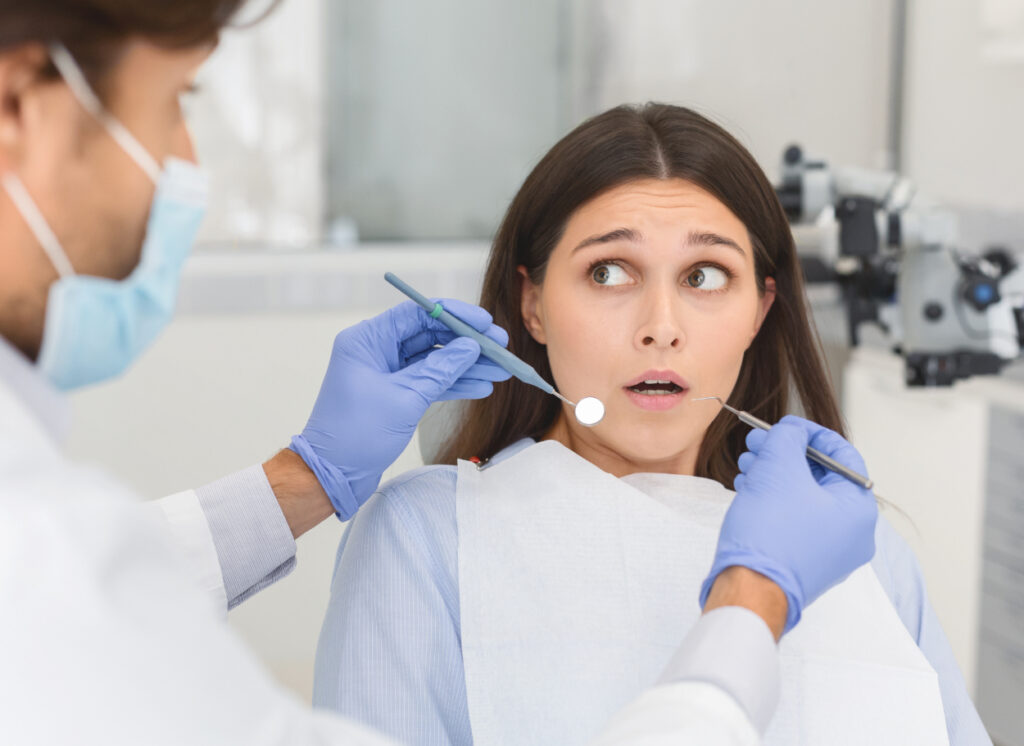


Dental emergencies have a way of stripping a situation down to what matters. A mild ache that seemed manageable at dinner can turn into throbbing pain by midnight. A chipped front tooth during a weekend game can feel cosmetic at first, until the sharp edge https://www.google.com/maps?cid=9042865669086661852 starts cutting your lip and the nerve begins to protest. In those moments, people do not just deal with pain. They also wrestle with assumptions, half-remembered advice, and stories they have heard from friends or online forums.
That is where many problems begin. Misunderstanding what an emergency dentist actually does often leads people to wait too long, choose the wrong type of care, or spend more money than they needed to. Some patients show up expecting a miracle fix in ten minutes. Others stay home with swelling or trauma because they are convinced nothing can be done until their regular dentist reopens. Neither extreme is helpful.
The truth is more practical. Emergency dental care is not mysterious, and it is not reserved only for dramatic accidents. It exists to address urgent problems quickly, relieve pain, stop damage from getting worse, and protect the long-term health of the tooth and surrounding tissues. The myths around it tend to come from fear, cost concerns, and confusion about what counts as urgent. Clearing those up can help people make better decisions when time matters.
Why myths about emergency dental care persist
Dental pain is deeply personal. Two people can have the same cracked molar, and one shrugs it off while the other cannot sleep or eat. Because symptoms vary, people often rely on anecdotes instead of sound judgment. A parent remembers that their own toothache disappeared after two days, so they assume their child’s swollen gum can wait too. Someone else once went to an urgent care clinic for facial pain and got antibiotics, so they assume that is always the best first stop. Those patterns become myths because they contain just enough truth to sound convincing.
There is also the problem of vocabulary. The phrase “Emergency Dentist” sounds dramatic, almost like a separate branch of care, when in reality it usually refers to dentists equipped to see urgent cases promptly, diagnose the cause, and provide immediate treatment or stabilization. They are not there only for major trauma. They commonly treat abscesses, broken teeth, lost fillings, severe sensitivity, knocked-out teeth, bleeding after dental work, jaw pain related to infection, and other pressing issues.
Many people also carry old ideas about dentistry. They assume emergency care means extraction and nothing else. Or they assume pain automatically equals root canal. Modern emergency treatment is more nuanced than that. The first goal is usually to stop the immediate problem, not to push every patient into a one-size-fits-all procedure.
Myth: if the pain is bearable, it is not an emergency
This is one of the most common and costly misconceptions. Pain level matters, but it is not the only measure of urgency. Some serious dental problems begin with surprisingly mild symptoms. A cracked tooth can feel like a brief zing when you bite, then settle down for hours. An infection can build pressure gradually before it becomes severe. A loose crown may not hurt much at all, but if it comes off completely, the exposed tooth can fracture or decay quickly.
Dentists learn early on that the body does not always report danger in proportionate ways. A dead or dying nerve may actually hurt less over time, even as infection spreads around the root. Gum swelling may be painless in the morning and dramatic by evening. A tooth that feels “mostly fine” after a sports injury may have damage below the gum line that only shows up on an x-ray.
The better question is not, “Can I tolerate this?” It is, “Could waiting make this harder to treat?” If the answer might be yes, it is worth calling an emergency dentist. Early intervention often means a simpler fix. A small crack may be stabilized with bonding or a crown. Leave it alone long enough, and the same tooth may split into a non-restorable fracture.
Myth: emergency dentists only pull teeth
This belief keeps many people away until they have backed themselves into a corner. Extraction is sometimes the right treatment. A severely broken tooth below the gum line, advanced infection in a tooth with poor long-term prognosis, or a wisdom tooth complication may leave little room for alternatives. But emergency dental care is not synonymous with removal.
A capable emergency dentist spends a lot of time trying to preserve teeth when preservation makes sense. That can mean smoothing and sealing a chipped edge, replacing a lost filling, re-cementing a crown, draining an abscess, adjusting a bite that is causing acute pain, placing medication inside a tooth to calm an inflamed nerve, splinting a loose tooth after trauma, or beginning root canal therapy when the diagnosis supports it.
The distinction matters because fear of extraction often causes harmful delays. I have seen cases where a patient avoided calling for three days because they were convinced the tooth would be pulled on sight. By the time they came in, swelling had spread, the pain was worse, and treatment options had narrowed. The irony is hard to miss. The attempt to avoid a drastic step sometimes makes that step more likely.
Myth: a hospital emergency room is the best place for any dental emergency
A hospital emergency room has an important role, but not the one many people imagine. If someone has trouble breathing, difficulty swallowing, severe facial trauma, uncontrolled bleeding, a rapidly spreading infection, or signs of a medical emergency along with dental symptoms, the hospital is absolutely appropriate. Those situations can be serious well beyond the tooth itself.
For many dental problems, though, the emergency room is not designed to provide definitive dental treatment. Hospital physicians can manage pain, evaluate whether an infection is threatening general health, and prescribe medication when indicated. What they usually cannot do is repair the broken tooth, complete a root canal, adjust an ill-fitting crown, or remove the source of the dental problem on the spot. Patients often leave with temporary relief and still need to see an emergency dentist as soon as possible.
That gap creates frustration. People assume they “already got it treated,” then wonder why the pain returns once medication wears off. This is especially common with tooth infections. Antibiotics may help reduce bacterial spread in some cases, particularly when there is swelling, fever, or systemic involvement. But antibiotics alone do not fix an infected pulp or drain a sealed source of infection inside a tooth. If the underlying cause remains, the problem frequently flares again.
Myth: antibiotics can solve most dental emergencies
This one deserves direct attention because it is so widespread. Patients often ask for antibiotics as if they are a reset button. Sometimes antibiotics are necessary and appropriate. Often they are not the main solution, and sometimes they are not indicated at all.
A toothache from irreversible pulp inflammation, the classic severe pain from a nerve that is beyond recovery, will not be cured by antibiotics if there is no swelling or spreading infection. The source is trapped inside the tooth. Relief usually comes from dental treatment, such as root canal therapy or extraction, not from medication alone. Likewise, sensitivity from a lost filling or a cracked tooth needs repair, not a prescription.
Overuse of antibiotics also has downsides. It can expose patients to side effects, contribute to resistance, and create false reassurance that leads to delays. An emergency dentist has to make a judgment call based on symptoms, exam findings, and imaging. If swelling is localized, if there is drainage, if the infection is contained, or if the issue is mechanical rather than bacterial, the answer may be treatment without antibiotics. That is not undertreatment. It is appropriate care.
Myth: if swelling goes down, the problem is gone
A temporary decrease in swelling can be misleading. Dental infections often wax and wane. Pressure can drain through the gum, reducing pain and puffiness for a while. The body can partially contain an infection, and symptoms may seem to settle. Patients understandably interpret that as healing. It often is not.
Think of it as a warning light flickering rather than burning steadily. The issue may be quieter, but the cause is still there. A necrotic tooth does not become healthy because the face looks less swollen after forty-eight hours. A gum abscess does not resolve permanently because it opened and drained once. Without proper diagnosis and treatment, the cycle commonly repeats, sometimes at the worst possible time, like right before travel or a major event.
This is one reason dentists urge patients not to cancel an appointment just because the pain improved overnight. Intermittent symptoms can still signal a real emergency, especially if there has been swelling, drainage, trauma, or difficulty biting.
Myth: emergency dental care is always more expensive than waiting
At first glance, this myth sounds reasonable. Urgent visits feel costly because they are unplanned. But waiting often costs more, not less. A cavity that might have needed a straightforward filling can become a root canal and crown if decay reaches the pulp. A chipped cusp that could have been restored may break off further, leaving too little tooth structure to save. A knocked-out tooth has a narrow window for successful reimplantation, and once that chance passes, replacement options become much more involved and expensive.
Cost also has a hidden side. Missed work, poor sleep, repeated urgent care visits, extra prescriptions, and worsened treatment complexity all add up. People tend to compare the price of today’s emergency exam with the fantasy price of doing nothing. The real comparison is usually between acting now and paying for a bigger problem later.
That said, not every urgent dental issue turns into a financial disaster if treatment is delayed by a few hours or even a day. There are trade-offs. A lost filling on a Saturday afternoon may need prompt attention, but it may be reasonable to protect the area and be seen the next morning rather than rushing into the nearest available slot at any cost. An avulsed tooth, meaning a tooth knocked completely out, is different. Minutes matter. Good emergency care involves triage, not panic.
Myth: you should wait to see if a broken tooth settles down
Teeth do not heal the way skin does. Once enamel or dentin is fractured, it will not knit itself back together. Symptoms may ease, especially if the fracture does not expose the nerve, but the structural weakness remains. Biting forces can turn a small chip into a larger crack, especially on molars that absorb heavy chewing pressure.
The shape and location of the break matter enormously. A tiny corner chip on a front tooth is very different from a vertical crack in a back tooth that sends pain through the jaw when chewing. Some fractures are obvious. Others are subtle and show themselves only when the patient bites and releases. That delayed “release pain” is a classic clue many people miss.
Prompt evaluation gives the dentist a chance to determine whether the tooth can be protected before the fracture worsens. Sometimes the answer is conservative, such as smoothing, bonding, or covering the tooth with a crown. Sometimes imaging and tests show the crack has extended too far. Either way, waiting rarely improves the situation.
Myth: a knocked-out tooth cannot be saved
This is one of the most damaging myths because it causes people to give up too quickly. A permanent tooth that has been completely knocked out can sometimes be replanted successfully, especially if action is taken fast and the tooth is handled correctly. The outcome depends on factors like the patient’s age, the time the tooth spends out of the mouth, whether the root surface is damaged, and how the tooth is stored.
Here is where simple first aid makes a real difference:
- Pick up the tooth by the crown, not the root.
- If it is dirty, rinse it gently with milk or saline, or very briefly with water.
- If possible, place it back in the socket right away and hold it there.
- If that is not possible, store it in milk or inside the cheek if the person is old enough to do so safely.
- Get to an emergency dentist immediately.
That advice applies to permanent teeth, not baby teeth. Primary teeth generally are not replanted because doing so can damage the developing permanent tooth underneath. This is the kind of edge case that makes professional guidance important. A quick phone call while heading to care can prevent a well-meant mistake.
Myth: emergency dentists only work after hours
Some do offer evening, weekend, or holiday care, and those services are invaluable. But emergency dentistry is not defined only by the clock. Many general dental practices reserve same-day appointments for urgent cases during regular business hours. Oral surgeons and endodontists may also accommodate emergencies depending on the problem. The key feature is responsiveness, not necessarily a midnight waiting room.
This matters because patients sometimes waste time searching only for clinics that advertise twenty-four-hour availability, even when it is ten in the morning and several local offices could see them that day. On the other hand, after-hours access can be crucial for trauma, acute swelling, or severe pain that cannot reasonably wait. The term “Emergency Dentist” covers both situations, which is another reason people get confused.
A better approach is to think in terms of urgency and capability. Who can assess this quickly, relieve the immediate problem, and either complete treatment or stabilize it safely until the next phase? That might be your regular dentist, an emergency-focused clinic, an endodontist, or, in true medical emergencies, a hospital.
Myth: if you are not bleeding, it is not serious
Visible bleeding grabs attention. Dental emergencies without blood often get brushed aside, even when they are significant. Pressure, swelling, fever, throbbing pain, altered bite, pus drainage, sudden sensitivity to temperature, and inability to open the mouth comfortably can all signal conditions that deserve prompt care.
A classic example is a lower molar infection that sends pain into the ear and causes jaw stiffness. There may be no blood at all, yet the infection can become serious if swelling spreads into deeper spaces. Another example is a dislodged crown on a heavily restored tooth. No bleeding, no drama, but the remaining tooth structure may be fragile enough to crack if left exposed.
Bleeding after an extraction or other recent dental procedure is its own category. Oozing is common at first. Steady bright red bleeding that soaks gauze repeatedly is different and warrants direct advice. Context matters more than any single symptom.
Myth: emergency treatment is just a temporary patch
Sometimes it is, and that is appropriate. Sometimes it is definitive care. The difference depends on the diagnosis, the timing, and what can be done safely in the urgent setting.
If someone arrives with facial swelling and severe pain from an infected tooth, the emergency visit may focus on diagnosis, drainage if possible, pain control, and either starting or planning definitive treatment. If a patient comes in with a front tooth chipped during lunch, the dentist may be able to restore it fully that same day. If a crown falls off and the underlying tooth is sound, re-cementing it may solve the problem immediately. If the tooth is extensively decayed underneath, the visit may become the first step in a longer plan.
Patients are often disappointed when an emergency appointment does not “finish everything.” But that is not a failure. Good urgent care prioritizes what is safest and most beneficial in the moment. Relieve pain, stop progression, preserve options, then complete the ideal treatment sequence. That is a sound clinical strategy, not a shortcut.
Knowing when to call matters more than memorizing myths
People tend to ask for a perfect rule, one sentence that tells them exactly when to seek urgent dental care. Real life is messier than that. Symptoms overlap. Anxiety can amplify some sensations and minimize others. Still, a few signs consistently deserve prompt attention:
- swelling of the gums, face, or jaw
- a knocked-out, loose, or significantly broken tooth
- severe tooth pain that interferes with sleep, eating, or concentration
- bleeding that does not slow after recent dental treatment
- signs of infection such as pus, foul taste, fever, or pain with facial pressure
Even this list is not absolute. Some urgent situations fall outside it, and some listed symptoms may vary in seriousness depending on the person. What matters is the pattern. If the problem is escalating, affecting normal function, or likely to worsen without intervention, reaching out to an emergency dentist is the sensible move.
What patients often get right after the myths are stripped away
Once the fear and hearsay are out of the way, most people make good decisions. They understand that pain is information, not a test of toughness. They see that preserving a tooth early is usually easier than rebuilding the damage later. They stop treating antibiotics as a universal fix. They recognize that emergency care is not about drama, it is about timing and judgment.
The most reassuring truth is also the simplest. Visiting an emergency dentist does not mean you have failed to manage your dental health, and it does not guarantee a worst-case scenario. It means something urgent needs skilled attention. Sometimes that attention is brief and straightforward. Sometimes it prevents a small issue from becoming a major one. Sometimes it protects a tooth that would otherwise be lost.
When people understand what emergency dental care actually is, they tend to use it more effectively. They call sooner, explain symptoms more clearly, and arrive with realistic expectations. That alone can change outcomes. In urgent dentistry, time is important, but informed decisions are just as valuable.
Simple Dental Vermont
Address: 8914 S Vermont Ave, Los Angeles, CA 90044
Phone number: +13239493000
FAQ About Emergency Dentist Los Angeles CA
What can the ER do for a tooth?
The emergency room can provide temporary symptom relief for a bad tooth, such as prescribing pain medicine or antibiotics, but it cannot fix the actual dental problem.
What is the 3-3-3 rule for tooth infection?
The 3-3-3 rule for a toothache or infection typically means taking three 200 mg ibuprofen tablets (600 mg total) three times a day for no more than three days to control pain and swelling while waiting to see a dentist.
What do you do if you have a dental emergency but no dentist?
If you have a dental emergency and no regular dentist, you should search for an urgent care dental clinic, call local walk-in dental offices, or go to a hospital emergency room if you have severe bleeding, swelling, or trouble breathing.