Family Oral Care Made Simple With General Dentistry Aurora
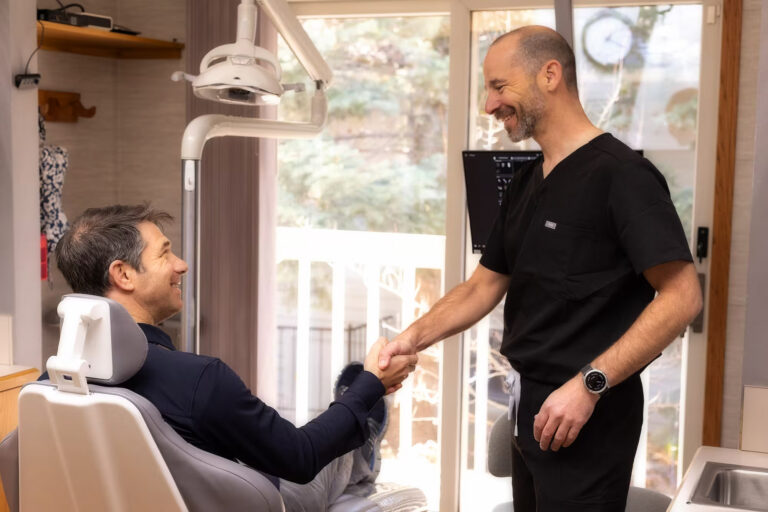
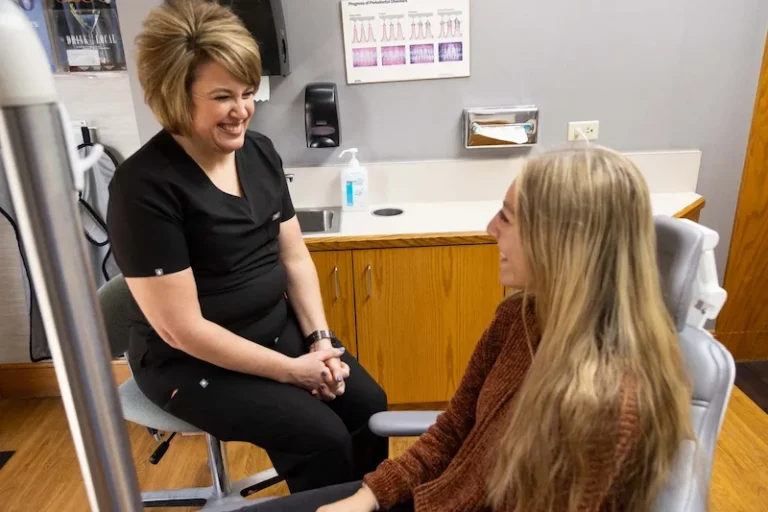

Families tend to treat dental care in one of two ways. Either it becomes a smooth part of life, folded into school calendars, work schedules, and sports seasons, or it turns into a series of rushed appointments made only when someone is already in pain. The difference usually has less to do with motivation than with systems. When a household has a reliable general dentist, a reasonable recall schedule, and clear habits at home, oral care stops feeling complicated.
That is where General Dentistry Aurora can make a practical difference. General dentistry is often described in broad terms, but for families, its value is very specific. It means one https://gregoryhuol421.opalvector.com/posts/choosing-the-right-general-dentistry-aurora-provider place to manage routine exams, preventive cleanings, early cavity detection, gum health, and the small concerns that can quietly grow into expensive problems if nobody catches them in time. It also means having a clinician who sees patterns across years, not just symptoms on a single afternoon.
For parents, caregivers, and even adult children helping older relatives, the goal is rarely perfection. The real goal is stability. Teeth that stay comfortable. Gums that stay healthy. Fewer emergencies. Fewer missed school days. Fewer frantic searches for a dentist when a filling falls out on a Friday evening.
Why simple dental care often works better than heroic dental care
People sometimes assume good oral health depends on strict routines, expensive products, or constant vigilance. In practice, the strongest results usually come from ordinary, repeated care done well. A family that keeps regular checkups, uses fluoride toothpaste consistently, and addresses problems early will often have a smoother experience than one that chases occasional dramatic fixes.
General Dentistry supports that steady approach. A routine visit is not just a cleaning. It is also a chance to compare what has changed since the last appointment. A tiny area of demineralization can be monitored before it becomes a cavity. Mild gum irritation can be corrected before it turns into deeper periodontal trouble. A child’s bite, brushing technique, or snacking habits can be discussed before they create years of wear or decay.
This is especially important in family care because dental needs do not stay static. A seven-year-old losing baby teeth has a very different set of concerns from a parent who grinds at night or a grandparent managing dry mouth from medication. General Dentistry Aurora works best when it adapts to those life stages without making care feel fragmented.
What general dentistry actually covers for a household
Many patients hear the phrase "general dentistry" and think it only means cleanings and fillings. Those are certainly part of it, but family oral care is broader than that. A well-run general practice often becomes the first line of defense for almost every everyday dental concern.
A typical family practice may help with preventive exams, professional cleanings, digital X-rays when needed, fluoride treatments, sealants for children, fillings for decay, treatment planning for worn or broken teeth, night guards for grinding, gum health monitoring, and guidance on referrals if a specialist is required. The specialist part matters more than people realize. Not every issue should be managed in-house, and a good general dentist knows when to refer early rather than stretch beyond the right scope of care.
In real life, this continuity matters. A parent might come in for a routine cleaning and mention jaw tension from stress. A teenager might need monitoring around wisdom teeth. A younger child might need reassurance more than treatment during a first visit. The common thread is not complexity. It is familiarity, judgment, and timing.
The family advantage of seeing one trusted dental team
When several members of a household use the same dental office, practical benefits show up quickly. Scheduling becomes easier, records stay centralized, and treatment recommendations are easier to understand because the clinician already knows the family’s habits and history.
There is also a less obvious benefit. Children watch how adults behave around dental care. If a child sees that cleanings are treated as normal, calm, and nonnegotiable, their own anxiety often drops. I have seen this dynamic many times. A nervous eight-year-old who refuses to open wide at the first visit may relax by the third appointment simply because the office no longer feels unfamiliar and because they have seen a parent sit through the same process without concern.
That familiarity helps adults too. People are more likely to mention small symptoms, sensitivity to cold, bleeding when flossing, a rough edge on a molar, when they feel known rather than judged. Those casual comments often lead to the most useful findings, because dental problems rarely announce themselves dramatically at first.
Children need prevention early, not just treatment later
One of the most common misconceptions in family oral health is that baby teeth matter less because they eventually fall out. In practice, they matter a great deal. Primary teeth hold space for permanent teeth, support speech development, and affect how comfortably a child can eat. Decay in baby teeth can also lead to pain, infection, missed school, and difficult treatment experiences that shape dental attitudes for years.
General Dentistry Aurora can simplify this stage by focusing on prevention and coaching. For younger children, that often means helping parents adjust brushing technique, understanding how frequent snacking affects enamel, and identifying whether thumb sucking, mouth breathing, or uneven wear should be monitored. Fluoride and sealants may be appropriate for many children, especially on back teeth where grooves trap food and plaque.
The practical side matters as much as the clinical side. A two-minute brushing routine sounds simple until you are trying to manage bedtime, homework, a toddler who refuses to spit, and a child who claims they already brushed at a friend’s house. Families do better when the dentist gives realistic advice rather than idealized instructions. Sometimes the best advice is not more products. It is a stable routine, a stool by the sink, and a parent doing the final pass for a few extra years.
Teenagers bring a different set of oral health challenges
Adolescents are often old enough to brush independently and young enough to do it inconsistently. Add sports drinks, irregular sleep, braces or retainers, and an appetite for convenience foods, and the risk picture changes fast. This is the stage where general dentistry becomes part coach, part monitor.
Teen patients often benefit from direct communication rather than messages relayed only through parents. When a dentist explains, clearly and without exaggeration, that daily acidic drinks can soften enamel or that skipping retainer wear can undo months of orthodontic progress, the advice tends to land better. Teenagers usually respond to specificity. Telling them that a can of soda or frequent energy drink use can increase cavity risk is more useful than simply saying sugary drinks are bad.
This age group also tends to hide symptoms. A teen who chips a tooth during basketball may not mention it for weeks if it does not hurt much. A retainer that no longer fits may stay in a drawer until a parent notices. Regular visits create a backstop for these quiet problems.
Adults often postpone their own care first
Parents are famous for scheduling everyone else before themselves. It is understandable, but it creates a pattern dentists see every day. The child comes in on time for cleanings. The parent reschedules twice, ignores sensitivity, and finally books only after a cracked filling or throbbing tooth forces the issue.
Adult oral health is affected by stress, diet, clenching, old dental work, and changing medical history. Fillings and crowns do not last forever. Gums can recede slowly. Dry mouth from medications can increase decay risk significantly. Small chips, bite changes, or tenderness near the jaw joint are not always urgent, but they are worth catching early.
General Dentistry helps adults stay ahead of these problems without turning each concern into a major event. A night guard might prevent years of wear. A replacement filling done on schedule is easier than waiting until the tooth structure weakens. A conversation about gum bleeding may reveal technique issues, hormonal changes, or early periodontal disease that responds well when addressed promptly.
The practical lesson is simple. Family care works best when the adults in the house stay in the maintenance cycle too. Children benefit from seeing that oral health is a lifelong responsibility, not a pediatric phase.
Older relatives may need closer attention than they admit
For aging family members, dental changes can be subtle and easy to dismiss. A grandparent may say they are fine while chewing only on one side because a tooth feels loose. Another may blame bad breath on age when the real issue is dry mouth, gum disease, or a trapped food area around older dental work.
Medication use becomes a major factor here. Many common prescriptions can reduce saliva flow, and saliva is not a trivial detail. It helps protect enamel, buffer acids, and wash food debris away. When saliva decreases, cavity risk often rises, especially along the gumline and around existing restorations.
General Dentistry Aurora can be especially useful for older adults when appointments include honest discussion about comfort, dexterity, and home care limitations. Someone with arthritis may not manage string floss well. Someone with memory changes may need simpler routines and caregiver support. The goal shifts from ideal habits to workable habits that preserve comfort and function.
Home care does not need to be complicated to be effective
Families often overestimate how elaborate a home routine must be. What matters most is consistency, technique, and a few sensible choices repeated daily. Fancy products do not compensate for rushed brushing or skipped checkups.
A useful baseline for most households looks like this:
- Brush twice a day with fluoride toothpaste, taking enough time to reach the back teeth and gumline.
- Clean between teeth once daily with floss or another tool that the person will actually use consistently.
- Limit frequent sugary or acidic snacks and drinks, especially sipping over long periods.
- Replace worn toothbrushes or brush heads regularly, usually every few months or sooner after illness.
- Keep routine dental visits on schedule, even when nothing seems wrong.
The key phrase is "for most households." There are always exceptions. A child with braces may need a more tailored routine. An adult with gum disease may need more intensive maintenance. Someone with severe dry mouth may require prescription-strength products or additional fluoride support. General dentistry works best when those adjustments are individualized rather than guessed at from internet advice.
What makes a dental office feel manageable for a busy family
Not every practice that sees children and adults is equally family-friendly in the practical sense. Some offices provide excellent technical care but make scheduling, communication, or follow-up harder than it needs to be. For families, convenience is not superficial. It often determines whether preventive care actually happens.
A manageable office usually does a few things well. It explains treatment in plain language. It offers appointment times that fit around school and work when possible. It sends reminders. It is transparent about what is urgent and what can be monitored. It does not pressure patients into decisions without context.
I have watched families thrive in practices where the front desk remembers that a child gets nervous, the hygienist knows to explain instruments before using them, and the dentist can say, "This small area is stable, let us watch it," instead of recommending treatment simply because something appears imperfect. Clinical judgment and human communication go together. One without the other creates distrust.
That is part of the reason General Dentistry Aurora can simplify oral care so effectively. When a local practice knows the rhythms of its community, school schedules, commuting patterns, seasonal sports injuries, even the way winter weather affects appointment reliability, care starts to fit real life better.
When not to wait for the next routine visit
Preventive care is the backbone of oral health, but some issues deserve attention before the next scheduled cleaning. Families are often unsure what counts as urgent. Pain is an obvious sign, yet not all important problems are painful right away.
Contact a dental office sooner if you notice any of the following:
- A toothache that lingers, wakes someone up, or worsens with heat, cold, or pressure
- Swelling in the gums, face, or jaw
- A broken tooth, lost filling, or crown that changes the bite or exposes a sharp edge
- Bleeding gums that persist despite improved brushing and flossing
- A child or adult who avoids chewing on one side for more than a few days
These problems do not always mean major treatment is needed, but delay tends to narrow the easy options. A loose crown might be recemented if handled quickly. Wait too long and the underlying tooth may decay or fracture. Mild gum inflammation may improve with professional cleaning and better home care. Ignore it for months and deeper pockets may form.
Cost, prevention, and the math families feel
Most people do not need a lecture about the financial side of dentistry. They live it. The challenge is not just the price of treatment, but the unpredictability when care is postponed. A routine exam and cleaning are easier to budget for than an emergency visit, radiographs, a root canal, and a crown on short notice.
This is one reason general dentistry remains so valuable. It is not only about preserving teeth. It is about reducing surprise. No dentist can prevent every problem, but regular monitoring greatly improves the odds of catching issues when they are smaller, cheaper, and easier to solve.
That said, prevention is not a guarantee against treatment. Some people are cavity-prone despite solid habits. Genetics, crowding, enamel quality, medical conditions, and saliva flow all matter. Good dentists acknowledge that reality. They do not frame decay as a moral failure. They look for patterns, adapt the plan, and help the family move forward with less frustration.
The emotional side of family dental care
Oral health is rarely only clinical. Fear, embarrassment, and old experiences shape behavior more than many people admit. One parent may avoid the dentist because of a painful childhood filling. A child may panic over the sound of suction. A teenager may feel ashamed about visible decay. An older adult may quietly worry that tooth loss is inevitable.
General Dentistry, at its best, creates steadiness around those feelings. It normalizes questions. It breaks treatment into understandable steps. It offers reassurance without being dismissive. The emotional climate of a dental office often determines whether families keep returning, and return visits are where long-term health is built.
I have seen very practical changes come from small relational shifts. A child who gets to hold the mirror becomes more cooperative. A parent who understands what watchful waiting means stops assuming every stain is a cavity. An adult who learns that sensitivity is related to grinding finally addresses a problem they had tolerated for years. None of that is dramatic. All of it matters.
Keeping family oral care simple, year after year
The families who do best with dental health are not necessarily the ones with the most time, money, or perfect habits. They are usually the ones who keep things steady. They choose a trusted practice, show up regularly, ask questions early, and make home care routine rather than negotiable.
General Dentistry Aurora fits that approach well because it supports the ordinary maintenance that protects families over time. Not every visit will uncover a problem. That is actually the point. Quiet checkups, stable gum health, and cleanings that confirm things are on track are signs that the system is working.
Simple care is not lesser care. For most households, it is the smartest kind. It respects busy schedules, changing ages, different risk levels, and the reality that health is built through repetition. When general dentistry is used the way it was meant to be used, family oral care becomes less confusing, less reactive, and far easier to sustain.
Aspenwood Dental Associates and Colorado Dental Implant Center
Address: 2900 S Peoria St Ste C, Aurora, CO 80014
Phone number: +13037314037
FAQ About General Dentistry Aurora
What is meant by general dentistry?
General dentistry refers to the primary, foundational tier of oral healthcare, focused on the prevention, diagnosis, and treatment of conditions affecting the teeth, gums, and jaw. General dentists serve as a patient's main, long-term dental care provider—much like a primary care physician.
What is general dentistry and orthodontics?
General dentistry and orthodontics are two specialized branches of dental care. General dentistry serves as your primary care for overall oral health, focusing on routine cleanings, fillings, and disease prevention. Orthodontics is a specialized field focused entirely on diagnosing and correcting misaligned teeth and jaw structures using braces or clear aligners.
What are type 3 dental services?
Type 3 dental services typically include major restorative treatments that repair or replace damaged or missing teeth. These services are more complex and costly than preventive or basic dental care. Common examples of type 3 dental services include: Dental crowns.